How to Pay Off Credit Card Debt: Avalanche vs. Snowball
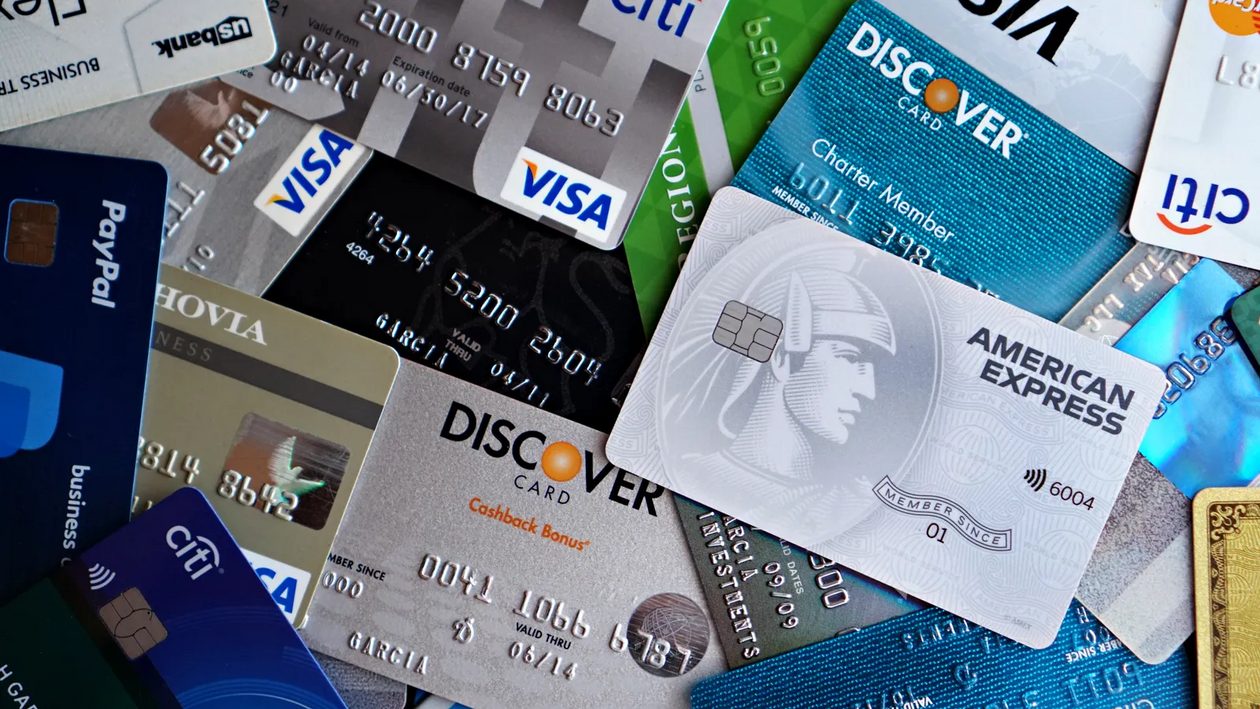
Credit card debt is expensive in a way that is hard to feel day to day: you pay the minimum, the balance barely moves, and hundreds of dollars quietly become interest. The way out is not a trick — it is a plan, followed in order. Here is the plan, and the math behind the two strategies almost every successful payoff uses.
Step 1: See the whole picture
List every card: balance, APR (interest rate), and minimum payment. Your APR is on your statement and in your cardholder agreement. This list is your map; you cannot shortcut seeing it. Then call each issuer and ask, politely, whether they can lower your APR or offer a hardship program — the CFPB notes that issuers sometimes have options for customers who ask, and a lower rate makes every dollar you pay work harder.
Step 2: Protect the essentials
Pay at least the minimum on every card, on time, every month. Minimums keep accounts current, avoid late fees, and protect your credit score while you attack one balance at a time. Autopay for at least the minimum is a smart safety net. (For how scores actually work, see How Credit Scores Work.)
Step 3: Choose your attack order
Every extra dollar goes to one target card while the others get minimums. The two classic orders:
| Strategy | Order | Strength | Watch out |
|---|---|---|---|
| Avalanche | Highest APR first | Mathematically cheapest — least total interest, fastest in pure dollars | The first victory can take a while if the highest-rate balance is large |
| Snowball | Smallest balance first | Quick wins build momentum and motivation | Costs more interest over the full payoff |
Worked example: you owe $1,200 at 19.99% APR and $3,500 at 24.99% APR, and you can pay $280 a month total. The avalanche targets the $3,500 card first; the snowball clears the $1,200 card first for an early win. Run your own balances in our debt payoff calculator — for many people the interest difference is smaller than they fear, which means the best strategy is honestly the one you will stick with. When a card is paid off, roll its entire payment into the next target. That growing “snowball” (or avalanche) is where the speed comes from.
Step 4: Stop adding new charges
A payoff plan leaks if the cards keep getting used. Switch everyday spending to a debit card or cash while you pay down, and remove saved cards from online stores. This is temporary, not forever — it is how the hole stops getting deeper while you climb out.
Step 5: Find extra dollars honestly
- Sell or pause: unused subscriptions, a storage unit, the second streaming bundle.
- One month, one lever: a no-restaurant month can free a surprising amount.
- Windfalls: tax refunds and bonuses go to the target card before lifestyle sees them.
- Consider a balance transfer carefully: a 0% promotional APR can help, but only with a written plan to finish before the promo ends — and after counting the transfer fee (often 3–5% of the balance). Never treat it as permission to spend.
When to get help
If minimums alone do not fit your budget, contact a nonprofit credit counselor through the National Foundation for Credit Counseling (NFCC). A debt management plan through a reputable nonprofit can consolidate payments and sometimes reduce rates. Be wary of any company that charges big upfront fees or promises to make debt “disappear” — the Federal Trade Commission warns that most such promises are scams.
Frequently asked questions
Avalanche or snowball — which is better?
Avalanche costs less interest. Snowball gives faster wins. The calculator shows your numbers; the plan you’ll actually follow is the right one.
Should I stop saving while I pay off cards?
Keep a $500–$1,000 starter emergency fund so a surprise doesn’t go back on the card, and capture any full 401(k) match. Then focus extra dollars on the debt.
Will paying off debt raise my credit score?
Usually over time: lower balances reduce your credit utilization, a major scoring factor, and on-time payments build history.
Sources: Consumer Financial Protection Bureau (ConsumerFinance.gov), credit card debt and asking your issuer about options; Federal Trade Commission (FTC.gov), debt relief scams; NFCC (NFCC.org).
Your next steps
Keep going with the guides that connect to this one:
→ How Credit Scores Work: FICO Ranges and the 5 Factors
 Credit & Debt
How Credit Scores Work: FICO Ranges and the 5 Factors
What a FICO score is, the ranges lenders see, the five factors and their weights, and the habits that actually move your score.
 Budgeting
The 50/30/20 Budget Rule, Explained With a Real Example
Needs 50%, wants 30%, savings 20% — what counts where, a full worked monthly budget, and how to adapt the rule when rent eats half your pay.
 Saving
How to Build an Emergency Fund (Even on a Tight Budget)
How much to save, where to keep it, and a step-by-step plan to build 3–6 months of essential expenses — starting from zero.
This article is educational and is not financial, tax, or legal advice. See our disclaimer.